
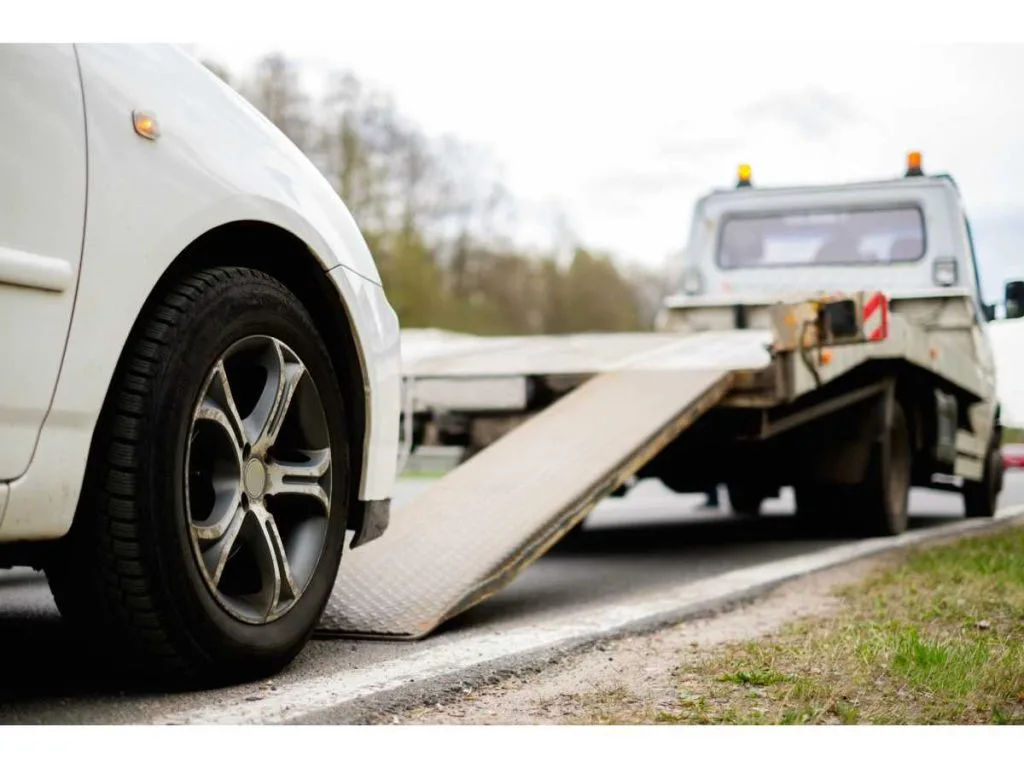
Getting your car towed starts with getting somewhere safe, calling dispatch, and deciding where the vehicle needs to go. This guide explains what to have ready and what happens before, during, and after a tow.
Geyers Towing has served Maryland drivers since 1993, with 24/7 dispatch for Montgomery County, Frederick County, and the surrounding area.
Has your car already been towed? Start with our guide to finding and retrieving a towed vehicle.
When Do You Actually Need a Tow?
Not every breakdown requires a tow truck. Some situations can be resolved with roadside assistance , a jumpstart, tire change, or lockout service. But there are clear signals that you need your car transported rather than just helped on-site.
Call for a tow if your vehicle has any of these issues:
- A flat tire with no spare , or a tire so damaged it can’t hold air long enough to reach a shop safely
- A blinking check engine light , a steady light can sometimes wait, but a flashing light signals active engine misfires that can cause serious damage if you keep driving
- Overheating engine , the temperature warning light or steam from under the hood means stop immediately; driving further can destroy the engine
- Oil pressure warning , driving with low or no oil pressure can seize the engine within minutes
- Vehicle won’t start after a jump , if the battery isn’t the issue, you likely have an alternator, starter, or deeper electrical problem
- Smoke from the hood , white smoke or steam can indicate coolant issues; blue or black smoke typically means oil or fuel burning, both of which require a mechanic before you drive
- Sudden grinding, knocking, or loud mechanical noise , if you can’t identify the source and the car feels unsafe, pull over and call
- Accident damage that affects steering, brakes, or tires , never drive a vehicle that may not stop or steer properly
If you’re unsure, call your mechanic or a trusted towing company and describe the symptoms. We can help you determine whether you need a tow or just roadside assistance before we dispatch. Learn more about the difference between towing and roadside assistance to know what service fits your situation.
If your vehicle left the road and went into a ditch, see our guide on tow truck ditch recovery in Maryland for what to expect and what to tell the dispatcher.
What to Do Immediately After Breaking Down
Your first priority is safety , yours and every other driver on the road.
Step 1: Get Off the Road
If your vehicle is still moving, get it as far off the road as possible. On I-270, Route 355, or any busy Maryland highway, even a few extra feet of separation from traffic matters. Pull onto the shoulder, into a parking lot, or onto a side street if you can do it safely. If you can’t move the car, don’t try to force it.
Step 2: Turn On Your Hazard Lights
Turn on your hazard lights to alert approaching drivers. Do not walk into traffic to place warning devices or inspect the vehicle.
Step 3: Choose a Safe Place to Wait
If your vehicle is clear of traffic and getting out would expose you to passing cars, stay inside with your seatbelt fastened. If there is fire, smoke, or another immediate danger, move away from the vehicle and traffic if you can do so safely. Call 911 in an emergency. MDOT SHA explains what to do after a breakdown.
Step 4: Call for Help
Once you are safe, call Geyers dispatch at (301) 540-1600. Keep these details handy so dispatch can match the truck to the call.
Step 5: Let Someone Know Where You Are
Text a friend, family member, or coworker your location and the name of the towing company you called. This is simple but important , someone in your network should know where you are and when to expect you.
What Happens When You Call Geyers
Tell dispatch where you are and what happened
Geyers checks your location, vehicle, condition, and any safety concerns. These details help determine whether you need roadside assistance, a tow, or recovery equipment.
Confirm the truck, destination, and estimate
Dispatch matches the equipment to the job. Ask for the arrival estimate and towing quote, and confirm where the vehicle will go. Before agreeing to the tow, ask when payment is due and which payment methods are accepted.
Go over the vehicle with the driver
Point out damage, low clearance, drivetrain details, or anything that could affect loading. Confirm the destination and read any tow authorization before signing. If it is safe, keep photos of the vehicle’s condition.
Arrange your ride and keep the tow details
Confirm your own transport before the truck leaves. Keep the towing company’s contact details and any paperwork or receipt so you can follow up with the repair shop or your insurer.
When will the truck arrive? Ask dispatch for an ETA for your location. Traffic, weather, vehicle access, and the equipment needed can change the arrival time.
Need help arranging the tow? Call (301) 540-1600 with the details above. See our Germantown towing service for local coverage.
How to Prepare Your Vehicle Before the Tow Truck Arrives
Only prepare the vehicle if you can do so safely. Do not step into traffic to take photos or retrieve belongings; tell the driver if any of these tasks need to wait.
Document the Condition of Your Car
If you’ve been in an accident, take photos before the tow truck arrives. Photograph all four sides of the vehicle, close-ups of any damage, and the surrounding scene. If there’s another vehicle involved, photograph that too. These photos can be critical for insurance claims and protect you if questions arise about damage that occurred before or during the tow.
Even in a simple breakdown, a quick walk around your vehicle and a few photos provide a baseline record in case you notice new damage after the tow.
Gather Your Valuables and Important Documents
Remove anything you’ll need while your vehicle is in the shop:
- Wallet, phone, and chargers
- Registration and insurance documents (you may need these at the repair shop)
- Any medication or medical equipment
- Laptops, bags, or other valuables
- Child car seats if you have a ride arranged
Once your car is towed, accessing it may require a separate trip to the repair shop or tow yard. Taking these items now saves you that hassle.
Close the Windows and Arrange Access
If it is safe, close the windows to protect the interior from rain and road debris. Ask the driver how to handle the keys and vehicle access before loading.
Notify Your Insurance Company if You’ve Had an Accident
Once you are safe, contact your insurer to check what towing costs your policy covers, whether you need authorization, and what paperwork to keep. Confirm those details before the tow where possible. Our guide to what to do after a car accident covers the next steps.
What Type of Tow Truck Will Arrive?
The equipment Geyers dispatches depends on your vehicle and situation. Our drivers assess the scene when they arrive, but knowing the general options helps set expectations.
Flatbed Tow Truck
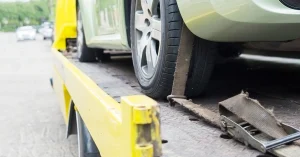
A flatbed carries the vehicle on a platform with all four wheels off the road. It may be needed for your drivetrain, ground clearance, or damage. Tell dispatch the exact vehicle model so the towing method can follow the manufacturer’s instructions.
Wheel Lift Tow Truck
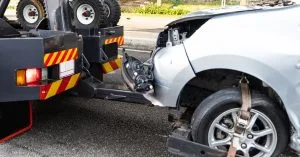
A wheel lift raises one end of the vehicle while the other wheels remain on the road. Whether it can be used, and whether dollies or other precautions are needed, depends on the vehicle. Let dispatch and the operator select equipment that follows the manufacturer’s towing instructions.
Heavy Duty Tow Trucks
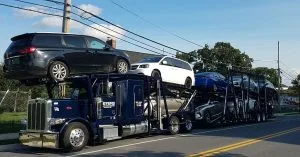
For commercial vehicles, large trucks, buses, RVs, and construction equipment, standard tow trucks don’t have the capacity. Geyers operates a full fleet of heavy duty equipment, including 75-ton rotator recovery units capable of handling the most complex commercial vehicle recoveries. If you’re dealing with a heavy duty towing situation, we have the equipment and WRECKMASTER certified operators to handle it safely.
Where Should You Have Your Car Towed?
For a tow you arrange, discuss your preferred repair shop, dealership, or home with dispatch. Confirm the address and whether the destination can receive the vehicle, especially outside business hours.
Police-directed tows and accident claims can involve additional requirements. Ask the officer, towing company, or insurer what applies before arranging a destination or a second tow.
Once your vehicle has been towed, the next step is retrieving it. Our guide on what happens after your car gets towed covers exactly how to locate your vehicle, what documents to bring, what fees to expect, and how quickly you need to act before storage charges add up.
If you’re unsure where to take your car, calling the towing company first is always a good move. We can give you an estimated cost to tow to different locations and help you make an informed decision. Review our guide to towing costs in Maryland to understand what factors affect your final price.
Special Considerations for Different Vehicle Types
Electric and Hybrid Vehicles
Tell dispatch that your vehicle is electric or hybrid and give the exact model. Transport methods and loading procedures vary by manufacturer. Share any instructions in your owner’s manual, including how the vehicle must be prepared for loading.
All-Wheel Drive and Four-Wheel Drive Vehicles
Mention AWD or 4WD when you call. The towing setup must follow your vehicle’s manufacturer instructions; the operator may need a flatbed, dollies, or other precautions to protect the drivetrain.
Classic and Exotic Cars
Low-clearance vehicles require special ramp angles when loading onto a flatbed. Classic cars, modified vehicles, and sports cars with minimal ground clearance need experienced operators who can load them without scraping the undercarriage. Let us know your vehicle type when you call and we’ll send a driver equipped and experienced for the job.
Motorcycles
Motorcycles require wheel chocks, tie-down straps, and proper loading technique to prevent damage during transport. Geyers offers motorcycle towing in Maryland with the equipment and experience to transport your bike safely.
24/7 towing dispatch
Need a Tow? Tell Us Where You Are
Call Geyers with your location and vehicle details. Dispatch can help identify the service you need and give you an arrival estimate.
Call (301) 540-1600Frequently Asked Questions About Getting Your Car Towed
How long does it take for a tow truck to arrive?
Arrival time depends on your location, traffic, weather, vehicle access, and the equipment needed. Call Geyers dispatch with your exact location for an ETA for your situation.
Can I stay in my car while waiting for the tow truck?
If the vehicle is clear of traffic and exiting would put you close to passing cars, staying inside with your seatbelt fastened may be safer. If there is fire, smoke, or another immediate danger, move away from the vehicle and traffic if you can do so safely. Call 911 in an emergency.
Do I need to be present when my car gets towed?
Tell dispatch if you cannot stay with the vehicle. Confirm who can authorize the tow, how the driver will access the car, and who will be available by phone. Do not assume an unattended pickup has been arranged until dispatch confirms it.
Will the tow truck driver damage my car?
Tell the driver about existing damage, low clearance, and any vehicle-specific towing instructions before loading. If it is safe, take photos of the vehicle beforehand and check its condition at delivery. Geyers uses WRECKMASTER certified operators, but a record of the vehicle’s condition is still useful.
How much does it cost to get a car towed in Maryland?
A short local tow of 5 to 10 miles typically ranges from $75 to $125 in our towing cost guide. Treat this as general guidance, not a quote for your vehicle. Distance, vehicle type, after-hours service, and recovery work can affect the price. Ask dispatch for an estimate for your tow.
Does my insurance cover towing?
It depends on your policy and why the car needs towing. Ask your insurer or roadside assistance provider about coverage, distance or dollar limits, provider requirements, and whether you pay first and claim reimbursement. Keep the tow receipt and any authorization details.
What if my car is in an unsafe location and I can’t wait?
Call 911 if there is an emergency. Tell towing dispatch the exact location, the hazard, and whether you need to leave. Confirm pickup arrangements and a phone number where you can be reached before assuming the vehicle can be collected without you.
Can Geyers Towing tow my car to a different state?
Call with the pickup point, destination, and vehicle condition to confirm the right service. Scheduled auto transport, including the Maryland-to-Florida route, is a separate service for drivable vehicles; it is not the same arrangement as an emergency tow.