

Your car won’t start. The lights are dim. The dashboard is throwing warning signals you’ve never seen before. So what’s actually wrong – is it a dead battery or a bad alternator? These two problems feel almost identical in the moment, but they have very different causes, very different fixes, and very different costs. Getting this wrong means replacing a $200 battery when your real problem is a $400 alternator – or calling a mechanic for a jump-start you didn’t need.
This guide walks you through the specific signs of a bad alternator vs bad battery so you can tell the difference before you spend money or make a call. If you’re already stranded on I-270 or Route 70 in Montgomery or Frederick County, keep reading – the last section covers exactly what to do next.
What Each System Actually Does
Before comparing symptoms, it helps to understand what these two components actually do. Your battery stores energy and provides the jolt needed to start the engine. It’s a one-time delivery system for each start. Your alternator is the charging system – it runs off the engine once started and continuously recharges the battery while powering your electrical systems on the road.
This distinction matters because a dead battery and a bad alternator can produce nearly identical symptoms at the moment of failure, but the pattern of failure tells you which one is to blame.
Signs of a Bad Battery
Battery problems usually develop gradually and show up most clearly during start attempts. A battery doesn’t fail out of nowhere – it weakens over time, and the signs follow a recognizable pattern.
- Slow, sluggish cranking on startup – The engine turns over, but it sounds labored and slower than normal. This is one of the earliest signs of a weakening battery.
- Car dies after a jump but won’t restart on its own – If a jump-start gets you moving and the car runs fine until you turn it off, but won’t restart without another jump, the battery is likely failing rather than the alternator.
- Clicking sound with no engine turnover – A rapid clicking when you turn the key and nothing else is a classic dead battery indicator.
- Battery warning light appears after sitting overnight – Cold mornings and extended parking stress a marginal battery more than any other condition.
- Battery is 3-5+ years old – Most car batteries have a lifespan of 3-5 years. Age alone is a strong predictor of failure.
- Corrosion visible on battery terminals – White or blue-green buildup around the terminals can interrupt the electrical connection and cause intermittent starting problems.
The key pattern with battery failure: the car has trouble starting, but once running, the electrical systems perform normally.
| Symptom | Dead Battery | Bad Alternator |
|---|---|---|
| Slow cranking on start | ✓ Common | Possible (late stage) |
| Car dies while driving | Rare | ✓ Common |
| Jumper cables fix the problem (temporarily) | ✓ Yes | Briefly only |
| Dim lights while engine is running | No | ✓ Yes |
| Battery warning light on dash | Sometimes | ✓ Yes |
| Electrical accessories fail mid-drive | No | ✓ Yes |
| Car is 3-5+ years old with original battery | ✓ Likely cause | Possible |
Signs of a Bad Alternator
Alternator failure is different because it happens while the vehicle is running – or more accurately, it causes the vehicle to stop running. The alternator isn’t just a backup charger. It’s the primary power source for everything electrical when the engine is on. When it fails, the battery is forced to power the entire vehicle alone – and it drains fast.
- Car starts fine but dies while driving – This is the clearest indicator of a bad alternator. If the engine shuts off during normal driving with no warning, the alternator likely stopped charging the battery mid-trip.
- Lights dim progressively as you drive – Headlights that grow dimmer over time, or interior lights that flicker, point to a bad alternator that isn’t keeping up with electrical demand.
- Jump-start works but car dies again within minutes – A jump puts charge into the battery, but if the alternator isn’t working, that charge depletes quickly. If your car dies again 15-20 minutes after a jump, the alternator is the issue, not the battery.
- Battery warning light illuminates while running – The battery light doesn’t necessarily mean the battery is bad. It monitors the charging system voltage – if it’s on while the engine is running, the alternator is often the culprit. (Source: NHTSA vehicle electrical system guidance)
- Burning rubber or electrical smell – Alternators run off a belt. A failing bearing or slipping belt can produce a burning smell that’s distinct from other engine issues.
- Multiple electrical systems failing at once – Power windows slowing down, the radio cutting out, and the A/C underperforming simultaneously while driving all point to the alternator struggling to supply adequate power.
The Jump-Start Test: Your Best Field Diagnosis
When you’re stranded and don’t have a multimeter, the jump-start test is the fastest way to distinguish between dead battery and bad alternator symptoms.
Jump-start the vehicle. If it starts and runs normally for an extended drive – over 30 minutes – the alternator is charging the battery as it should. Your battery likely just discharged from leaving a light on or sitting too long in cold weather. Battery replacement or a recharge is the fix.
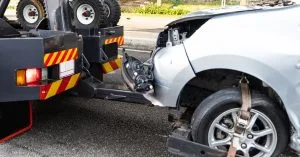
If the car starts after a jump but dies again within 15-30 minutes, the alternator is not recharging the battery. The vehicle is running entirely on stored battery power, which depletes rapidly. In this case, driving the vehicle is risky – you may lose power steering, braking assist, and all electronics without warning. This is the scenario where a tow is the right call, not another jump.
When You Need a Tow, Not a Jump
There’s a real cost to getting this wrong. Driving a vehicle with a failing alternator puts serious stress on a battery that wasn’t designed to power the entire car. It can destroy a good battery in under an hour and leave you stranded in a worse location – a highway median instead of a parking lot.
A few situations where calling a tow is the right move rather than attempting another jump:
- The car has already died twice after being jump-started – This pattern almost always indicates alternator failure. A third jump isn’t the solution.
- Electrical systems are failing while the engine is running – If you lose dashboard lights, power steering, or instrument cluster readings mid-drive, pull over immediately.
- You’re on I-270 or Route 70 – Highway driving with a failing charging system creates serious safety risk. Getting the vehicle to a safe location first, then diagnosing, is the right sequence.
- The battery warning light is on and the engine is running – This combination signals an active charging system failure, not just a weak battery.
Stranded in Montgomery or Frederick County?
Geyers Towing provides 24/7 emergency towing across the Route 70/270 corridor. Our WRECKMASTER-certified team dispatches fast to keep you safe – whether the problem turns out to be a battery, alternator, or something else entirely. Emergency towing services are available any time, day or night.
Quick At-Home Test With a Multimeter
If you have a multimeter at home, this two-minute test gives a clear answer on battery vs alternator health without calling anyone.
Battery test (engine off): Set the multimeter to DC voltage. Touch the red lead to the positive terminal and the black lead to the negative. A reading of 12.4 – 12.7 volts means a healthy battery. Below 12.0 volts indicates a discharged or failing battery.
Alternator test (engine running): With the engine on, repeat the same test at the battery terminals. A healthy alternator will push voltage up to 13.8 – 14.8 volts. A reading below 13.0 or above 15.0 volts while the engine is running indicates an alternator problem – either not charging enough or overcharging, both of which damage the battery over time.
If you don’t have a multimeter, most auto parts stores – AutoZone, O’Reilly, Advance Auto – will test both your battery and alternator for free while the vehicle is running.
Knowing When to Call vs When to DIY
A dead battery is often a DIY fix. A battery replacement takes 15-30 minutes with basic tools and a new battery from any auto parts store. If your battery is over four years old and the jump-start test shows a healthy alternator, replacing the battery yourself is a reasonable first step.
Alternator replacement is a different job. It involves removing the serpentine belt, electrical connections, and often significant disassembly depending on the vehicle. For most drivers, this is a shop repair – typically costing $400 – $700 parts and labor depending on the make and model.
Either way, the diagnosis comes first. Understanding the signs of a bad alternator vs bad battery prevents an expensive misdiagnosis and gets you back on the road with the right fix the first time.
If you’re currently stranded or unsure whether the vehicle is safe to drive, our roadside assistance and towing team serves Montgomery and Frederick Counties around the clock. A short tow to a trusted shop is almost always safer than gambling on a drive with an electrical system failure in progress.
Bad Alternator vs Bad Battery FAQs
How do I tell if my car problem is the battery or the alternator?
The fastest field test is a jump-start. If the car starts and runs normally for 30+ minutes after a jump, the alternator is working and the battery was simply discharged. If the car dies again within 15-30 minutes of a jump, the alternator isn’t recharging the battery and that’s your real problem. The pattern of failure – not just the symptom – is what separates the two.
Can a bad alternator drain a new battery?
Yes, and quickly. When the alternator fails, the battery becomes the sole power source for every electrical system in the vehicle. A fully charged battery can be depleted in under an hour under that load. This is why driving with a known alternator problem risks destroying a good battery and leaving you stranded in a more dangerous location than where you started.
What does it mean when the battery warning light comes on while the engine is running?
It usually points to an alternator problem, not the battery. The battery warning light monitors charging system voltage – when the engine is running, the alternator should be maintaining 13.8 to 14.8 volts. If that light is on while you’re driving, the alternator may have stopped charging. Pull over safely and avoid highway driving until the system is tested.
How long does a car battery typically last, and when should I replace it?
Most car batteries last 3 to 5 years under normal conditions. Cold climates, frequent short trips, and extended parking all accelerate wear. If your battery is past the 4-year mark and you’re experiencing slow cranking or needing jump-starts, replacement is likely overdue regardless of whether it has fully failed yet. Most auto parts stores test batteries for free.
Is it safe to drive with a failing alternator?
No. A failing alternator can cause sudden loss of power steering, braking assist, dashboard instruments, and headlights without warning. If electrical systems are failing while the engine is running – dimming lights, slowing power windows, radio cutting out – pull over immediately. Highway driving with an active charging system failure is a serious safety risk. A tow to a shop is the right call, not another jump-start.