
Tow truck vs flatbed is a practical decision, not just a label on a dispatch ticket. The truck type affects how your vehicle is lifted, which wheels move, whether the drivetrain is protected, and how much risk there is for bumper, tire, or suspension damage.
For many Maryland drivers, the safest answer depends on the vehicle and the scene. A flatbed is usually the better choice for AWD, 4WD, low-clearance, luxury, severely damaged, or non-rolling vehicles. A wheel-lift or light-duty tow can still be right for many short local tows when the vehicle rolls safely and the drivetrain allows it.
Need The Right Tow Truck Sent?
Tell dispatch the vehicle year, make, model, drivetrain if known, whether it can roll or steer, what damage you can see, and whether you are on I-270, I-70, Route 355, a parking lot, or a tight shoulder. Those details help Geyers match equipment to the vehicle instead of guessing at the scene.
Quick Decision: Which Tow Type Fits Your Vehicle?
| Situation | Best starting point | Why it matters |
|---|---|---|
| AWD, 4WD, or unknown drivetrain | Ask about a flatbed tow truck. | Rolling the wrong wheels can create drivetrain stress. If you do not know the drivetrain, say that before dispatch. |
| Simple breakdown, car rolls and steers | A wheel-lift or light-duty tow may fit. | For many short local moves, a full flatbed may not be necessary if the vehicle can be lifted and secured safely. |
| Accident damage, locked wheel, or leaking fluid | Ask for flatbed or recovery guidance. | Damage changes loading, securement, and whether the vehicle can be moved without adding more harm. |
| Box truck, RV, bus, or commercial vehicle | Ask about heavy-duty towing. | Size, weight, access, and load status decide the equipment, not the vehicle name alone. |
Main Types Of Tow Trucks Drivers Usually See
The main types of tow trucks most drivers hear about are flatbed, wheel-lift, hook-and-chain, integrated, and heavy-duty recovery trucks. You do not need to know every operator term. You only need to know what question each truck type answers.
Flatbed Tow Truck
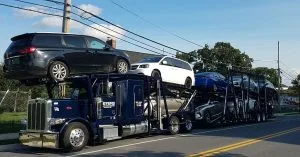
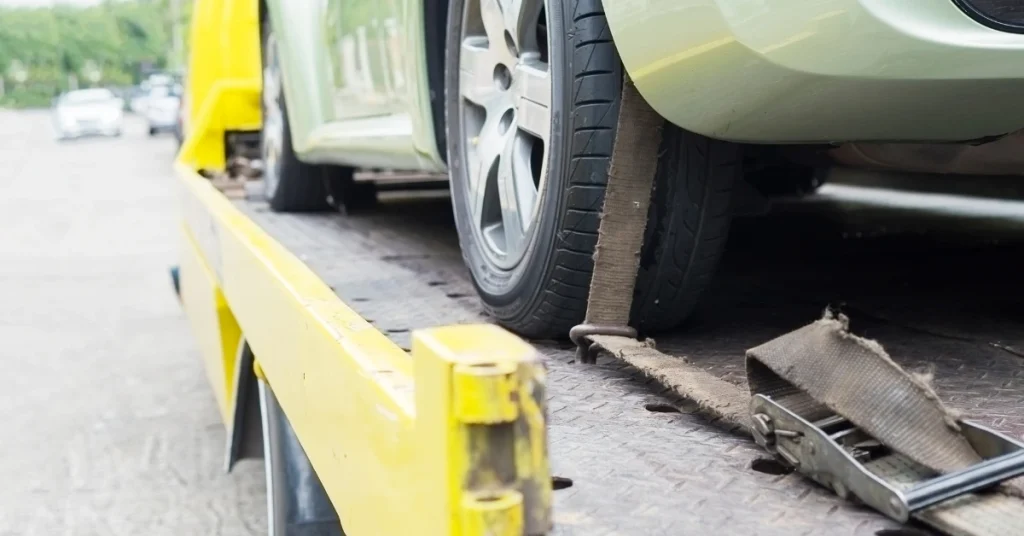
The vehicle is loaded fully onto a platform. This is often preferred for AWD, 4WD, damaged vehicles, low-clearance cars, luxury vehicles, and longer moves.
Wheel-Lift Tow Truck
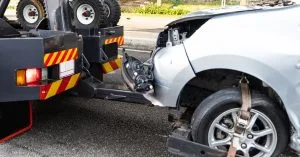
One end of the vehicle is lifted while the other wheels remain on the road. It can be efficient for short local tows when the vehicle and drivetrain allow it.
Hook-And-Chain
Older-style towing can be rougher on passenger vehicles. Most modern consumer towing decisions come down to flatbed, wheel-lift, or recovery instead.
Heavy-Duty Recovery
Larger vehicles, commercial trucks, buses, RVs, loaded vehicles, and recovery scenes may need equipment beyond standard light-duty towing.
What Can Go Wrong If The Wrong Type Arrives
The wrong type of tow truck can create delays or damage. A car that should have been flatbedded may scrape, drag, or stress the drivetrain. A vehicle that cannot roll may need recovery first. A commercial vehicle may need more capacity or access planning than a standard truck can handle.
This is why the best dispatch conversation starts before the truck is sent. A driver who says, “It is a sedan on the shoulder” gives dispatch less to work with than a driver who says, “It is an AWD sedan on I-270, front end damage, one wheel turned inward, going to a shop in Germantown.”
Ask For The Right One
- Say whether the car is AWD, 4WD, front-wheel drive, or rear-wheel drive.
- Describe accident damage, low clearance, oversized tires, locked wheels, or leaking fluid.
- Tell dispatch whether the car rolls, steers, brakes, and starts.
- Name the destination if you already know it.
How Geyers Matches Equipment
- Dispatch uses vehicle details, scene access, and destination to choose the truck type.
- Light-duty towing fits many passenger vehicles and short local moves.
- Heavy-duty equipment is routed when size, weight, or recovery conditions require it.
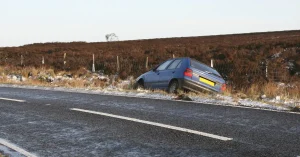
- Recovery comes first when the vehicle is not safely positioned for a normal tow.
Maryland Roads Change The Conversation
A disabled car on I-270 or I-70 is a different call than a dead battery in a driveway. Shoulder space, traffic speed, weather, police-scene requirements, and nearby repair-shop access can all affect whether the priority is a flatbed, a wheel-lift tow, or recovery first.
For standard passenger vehicles, Geyers can route light-duty towing. For larger trucks and commercial vehicles, dispatch may route heavy-duty towing. If you want the technical breakdown, the existing guide to flatbed towing vs wheel lift explains how those methods differ.
Before You Ask For A Flatbed
A flatbed is often the safer request, but dispatch still needs the reason. Saying “send a flatbed” without explaining the vehicle can hide details that matter, such as a locked wheel, steep driveway, tight parking garage, or a shoulder with limited room for loading. The better request is specific: tell dispatch why you think a flatbed is needed, then let them confirm whether flatbed, wheel-lift, light-duty towing, heavy-duty towing, or recovery is the right match.
For tow truck service in Germantown, tell dispatch your vehicle, visible damage, exact location, and whether the car can roll or steer. Those details help on Maryland roads where the scene can change fast. A car sitting partly in a travel lane, a vehicle in a private lot with limited access, and a damaged SUV on an interstate shoulder are different dispatch problems even if all three owners ask for the same tow type.
Frequently Asked Questions
Is a flatbed always better than a wheel-lift tow truck?
No. A flatbed is safer for many AWD, 4WD, damaged, low-clearance, and high-value vehicles, but a wheel-lift can be appropriate for some short local tows when the vehicle can roll safely.
What kind of tow truck do I need after an accident?
If the vehicle has suspension damage, locked wheels, leaking fluids, or body damage near the tires, ask dispatch whether a flatbed or recovery setup is safer than a standard wheel-lift tow.
What should I tell dispatch before they send a tow truck?
Give your exact location, vehicle year/make/model, drivetrain if known, visible damage, whether it can roll or steer, and any clearance or modification issues.
Ask Dispatch For The Right Tow Setup
If your vehicle is disabled in Maryland, call Geyers and describe the car and scene before equipment is sent. The better the dispatch details, the better the tow plan.