
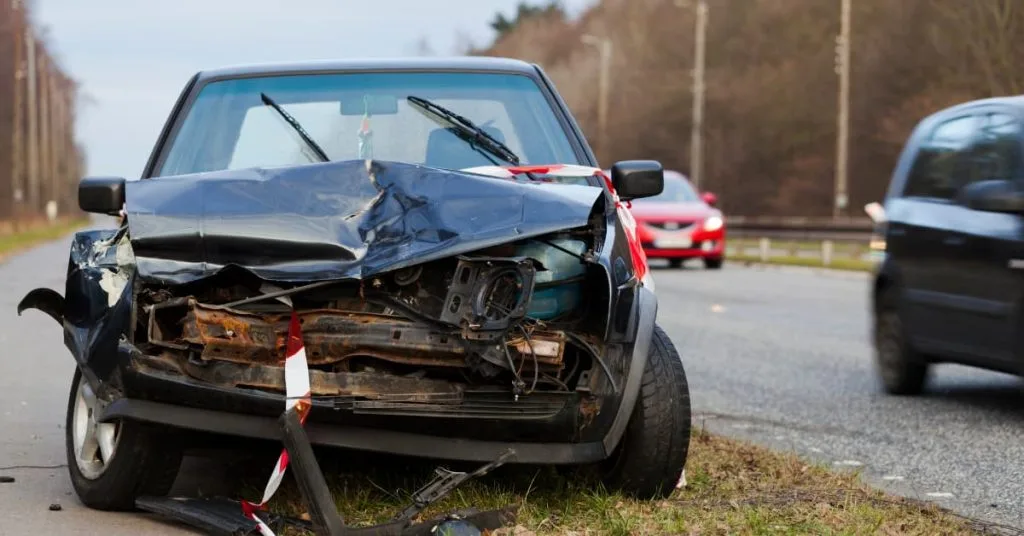
Your car is totaled when the insurance company looks at the repair estimate, holds it up against what the car was worth the day before the crash, and decides paying you for the car is cheaper than fixing it.
States put their own number on that. Maryland’s is 75%. Once repairs pass 75% of the car’s fair market value it’s a total loss, and if somebody fixes it anyway, it carries a salvage title from then on. Other states pick a different percentage, count what the wreck would sell for, or leave it to the insurer.
Sources: Maryland Insurance Administration, total loss · Md. Transportation §13-506
Check whether your car is likely totaled
Pick your state and put in the numbers from your adjuster or body shop, and we’ll run them against your state’s rule. The insurer still has the last word, and it can total a car before the rule says it has to.
An estimate for planning only. Thresholds come from each state’s law or insurance regulator, listed in the table below.
How states decide when a car is totaled
Counting DC, 25 jurisdictions set a percentage of the car’s value. Six use the total loss formula, which adds what the wreck would sell for to the repair bill. The other 20 set no number and leave it to the insurer. In a lot of states the percentage is about the title: it decides when a repaired car has to be branded salvage, and the insurer can total the car earlier. Below, the same wrecked car goes through both tests.
Percentage of value
The car is totaled once the repair bill passes a set share of what it was worth.
A $15,000 car with $12,750 in repairs, in a 75% state.
Total loss formula
The car is totaled once repairs plus what the wreck would sell for pass what it was worth.
The same car with $12,000 in repairs and a wreck worth $4,500.
Coming in under the line won’t always save the car, though. Maryland lets each insurer pick its own percentage, and adjusters can add in rental car costs and damage they expect to turn up once the bumper’s off.
Total loss thresholds by state
Look up your state, or filter down to the percentage states, the formula states or the ones with no number. Each row links to the actual law. Check the age limits too, because in plenty of states the percentage only covers newer cars.
Showing all 51 (50 states and DC)
| State | Rule | Source |
|---|
Damage that often totals a car
Since the line is about money, any damage can total a car if the repairs cost enough. Some kinds get there a lot faster, especially on older cars that weren’t worth much to begin with.
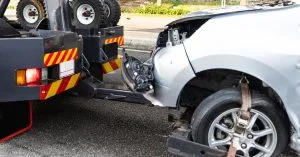
- Front-end damageThe radiator, headlights, sensors and airbags are packed together up front, so one hit can wreck a lot of expensive parts at once.
- Airbags that deployedNew bags, new sensors and often a new dashboard get added on top of the body work.
- Flood damageOnce water gets into the cabin or the engine, it reaches wiring and electronics that cost a lot to replace. Our guide on what to do if your car gets flooded covers the first steps.
- Frame or structural damageBent frame rails, pillars or a pushed-in roof need a frame shop to fix safely.
- FireThe heat gets into wiring, hoses and the interior well past the part you can see burned.
How the insurer decides what your car was worth
Everything hangs on actual cash value, so that’s the number to check. It’s the insurer’s estimate of what your car would have sold for the day before the damage, based on the year, make, model, mileage, condition, options and what similar cars sold for near you.
Ask for the valuation report. It shows the comparable cars they used and anything they knocked off for condition or miles. If their comparables are a lower trim, have more miles or sold three states away, send them listings that match your car better, plus receipts for recent work like new tires or brakes.
Maryland gives you some backup here. The offer has to include sales tax plus title and registration fees. Ask, and the insurer has 7 business days to explain in writing how it valued the car. If you send a counteroffer in writing and they turn it down, they have 5 business days to tell you why, also in writing.
Source: COMAR 31.15.12.03 · .04 · .05 · .06
How much will insurance pay for a totaled car?
Start with the car’s actual cash value, what it was worth the day before the crash. Your deductible comes off that. If there’s a loan, the lender gets paid first and you get what’s left. Keep the car and the salvage value comes off too. In Maryland the offer also has to cover sales tax and title and registration fees. Run your numbers through the calculator above, then check the insurer’s valuation report against similar cars for sale near you.
Car still at the scene, or at the wrong shop?
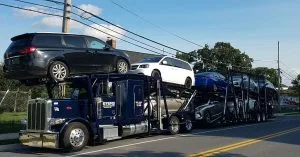
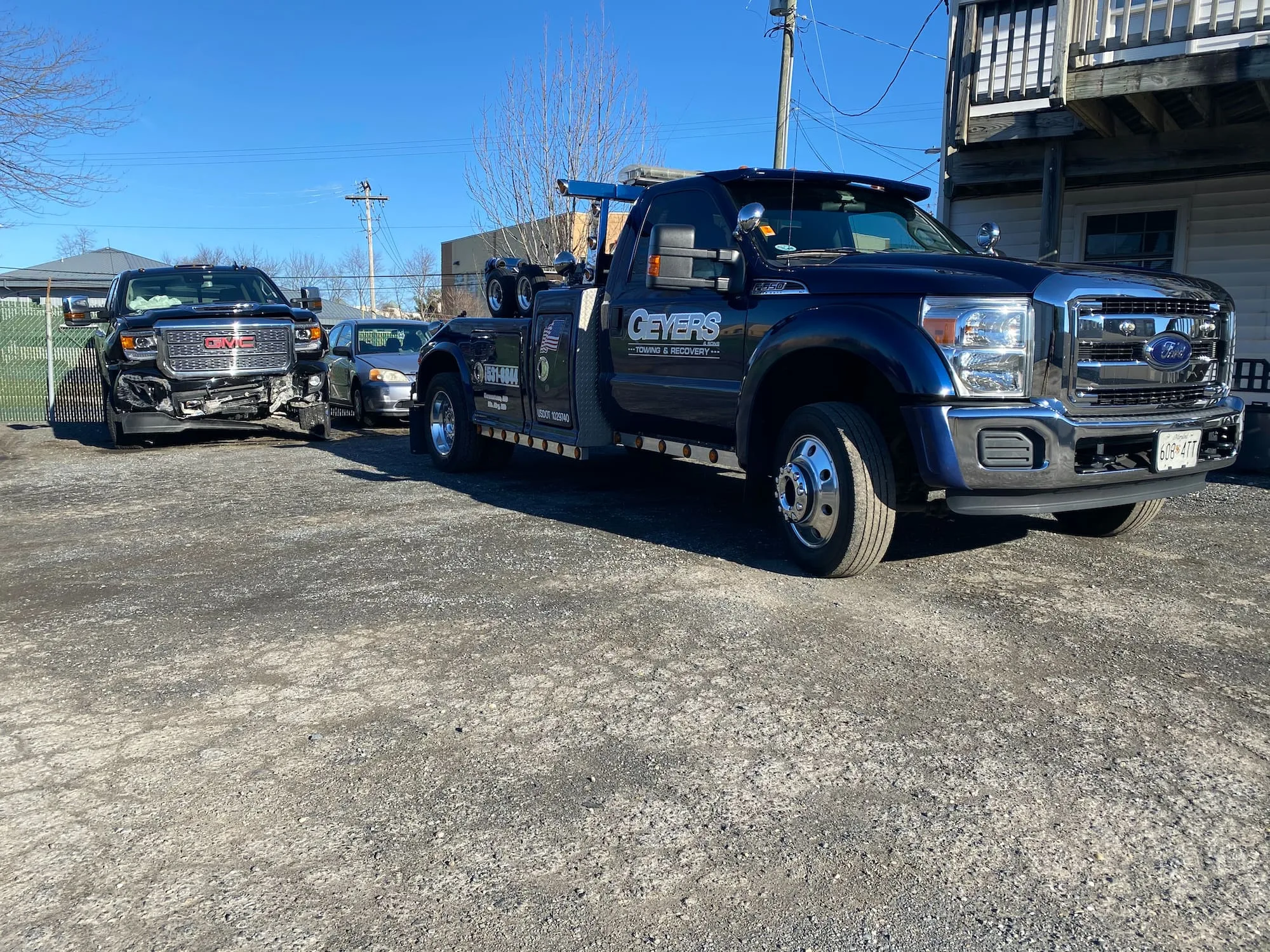
We tow wrecked and damaged cars all over Montgomery County, Frederick County and the rest of the area. Tell dispatch where the car is and where your insurer wants it looked at, and we’ll get it there.
What happens after your car is totaled
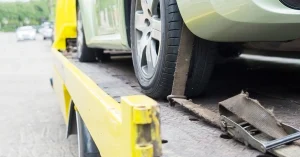
- The car gets moved somewhere it can be inspectedThat’s usually a body shop, a salvage yard or the tow company’s lot. Storage is billed by the day, so ask your insurer early where they want it.
- An adjuster looks it over and writes up an estimateOnce a shop pulls the bumper or the door panels, they can find more damage, and that alone can tip a car over the line.
- The insurer checks the estimate against your state’s rulePast the line, or not worth fixing in their view, and the car is declared a total loss.
- You get an offerIt’s the car’s actual cash value, less your deductible. If there’s a loan, the lender gets paid out of that first. Maryland insurers have 10 business days from the total-loss call to make you the offer. (COMAR 31.15.12.03)
- You sign over the title, or keep the carIf you keep it in Maryland, the insurer deducts the salvage value and notifies the MVA. The car needs a State Police salvage inspection before it can get a rebuilt salvage title.
Your options when the car is totaled
| Option | What happens | Worth considering when |
|---|---|---|
| Take the offer | You get the car’s value minus your deductible, and they take the car. | The valuation report lines up with what cars like yours are going for around here. |
| Keep the car | Your check shrinks by whatever the wreck would sell for. It gets a salvage title and has to pass inspection before you can drive it again. | You can get it fixed for less than the payout, or you’re not ready to let that car go. |
| Push back on the value | You show them the car was worth more and they take another look. Some policies also have an appraisal clause you can use. | The comparable cars in the report are the wrong trim or mileage, or the offer ignores work you just paid for. |
Loans, gap insurance and extended warranties
Owe more on the loan than the car was worth? The settlement won’t cover that difference unless you bought gap coverage. Keep making payments until the lender tells you the loan’s paid off, because a skipped payment still hits your credit while the claim drags on.
An extended warranty won’t add a cent to the settlement, since it only ever covered repairs. Do read its cancellation terms, though, and ask the company whether you’re owed something back for the months you won’t use.
Need the car moved?
Tell us where it is, what it is and where it’s going. There’s someone on dispatch at any hour, including the middle of the night.
Totaled car questions
What percentage of damage totals a car in Maryland?
75%. Once repairs reach 75% of what the car was worth before the crash, Maryland treats it as a total loss, and a car fixed past that point gets a salvage title. Adjusters can add rental costs and damage they expect to find, and some insurers work to a lower percentage of their own.
What automatically makes a car totaled?
Nothing totals a car by itself. It always comes back to the repair bill, plus the salvage value in some states, next to what the car was worth. A fire, deep flood water or a bent frame just gets there fast, because those repairs cost so much.
Can front-end damage total a car?
Yes. The radiator, the sensors, the headlights and usually a couple of airbags all sit up front, so one hard hit there runs up a much longer parts list than a dented door.
Can I keep my car if it's totaled?
In most cases, yes. The insurer takes the salvage value out of your check and the title gets branded salvage. In Maryland the car then needs a State Police salvage inspection before you can register it again.
Does the insurer have to total my car if repairs are under the threshold?
No. The threshold is the point where the insurer must treat the car as a total loss. It can still choose to total a car below that line.
Who pays for towing and storage on a totaled car?
It depends on your coverage and on who caused the crash. Call your insurer before the car moves and ask where they want it kept, since storage adds up every day the claim stays open.