
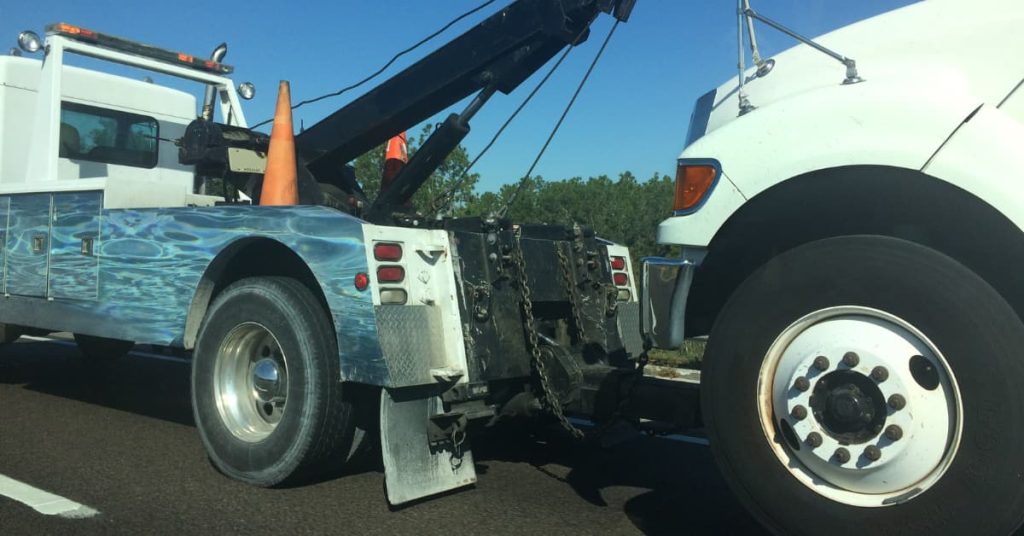
Heavy-duty towing for commercial vehicles is different from a standard tow. Dispatch has to understand the vehicle class, load condition, road position, destination, and access issues before the right truck is sent. Geyers Towing provides 24/7 commercial dispatch for Maryland operators who need heavy-duty towing, semi truck towing, fleet recovery, or equipment transport support.
The goal is simple: match the call to the right equipment the first time. Heavy-duty towing for commercial vehicles can include a box truck stalled at a loading dock, a tractor-trailer on the shoulder, or a piece of equipment that cannot move under its own power.
Commercial Vehicle Down Right Now?
Call dispatch with your exact location, vehicle type, load status, and whether the vehicle can roll, steer, or brake. Those details help Geyers decide whether the call needs heavy-duty towing, recovery equipment, fleet support, or transport.
When Heavy-Duty Towing For Commercial Vehicles Fits
Commercial vehicles create different towing decisions because size, weight, cargo, and access all affect the recovery plan. The first question is not just “can it be towed?” It is what equipment can move it without creating more damage or more downtime.
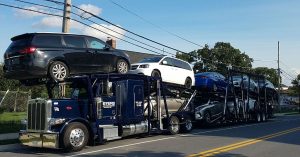
Semi Trucks And Big Rigs
Tractors, trailers, and loaded commercial units may need heavy-duty towing, recovery staging, and a destination that can accept the vehicle.
Box Trucks And Delivery Vehicles
Local delivery vehicles often fail in tight access points: loading docks, retail lots, warehouses, and narrow service roads.
Buses, RVs, And Larger Vans
Longer vehicles can require different hookup points, clearance planning, and safer routing than passenger vehicles.
Equipment And Work Vehicles
Construction, agricultural, and specialty vehicles may need transport or recovery support when they cannot move safely.
What Dispatch Needs Before Sending A Heavy-Duty Unit
Better information leads to a better dispatch decision. Before you call, gather what you can without putting yourself or your driver in a risky position.
Vehicle And Scene Details
- Exact location, direction of travel, entrance, or mile marker.
- Vehicle type, approximate size, and whether a trailer is attached.
- Whether the vehicle can roll, steer, brake, or start.
- Whether cargo, passengers, police, or property access affects the scene.
Business Details
- Preferred repair facility, yard, terminal, or delivery point.
- Who can approve the tow or recovery work.
- Whether this is a one-time call or a fleet account issue.
- Any site restrictions, gate codes, dock access, or after-hours contacts.
How Geyers Matches Equipment To The Call
Geyers’ heavy-duty towing service is built for larger vehicles and commercial recovery work. Heavy-duty towing for commercial vehicles is covered on the service page; this guide focuses on how operators can think through the call before dispatch.
Heavy-Duty Towing
For commercial trucks, larger fleet vehicles, buses, RVs, and vehicles that exceed light-duty towing needs.
Recovery Support
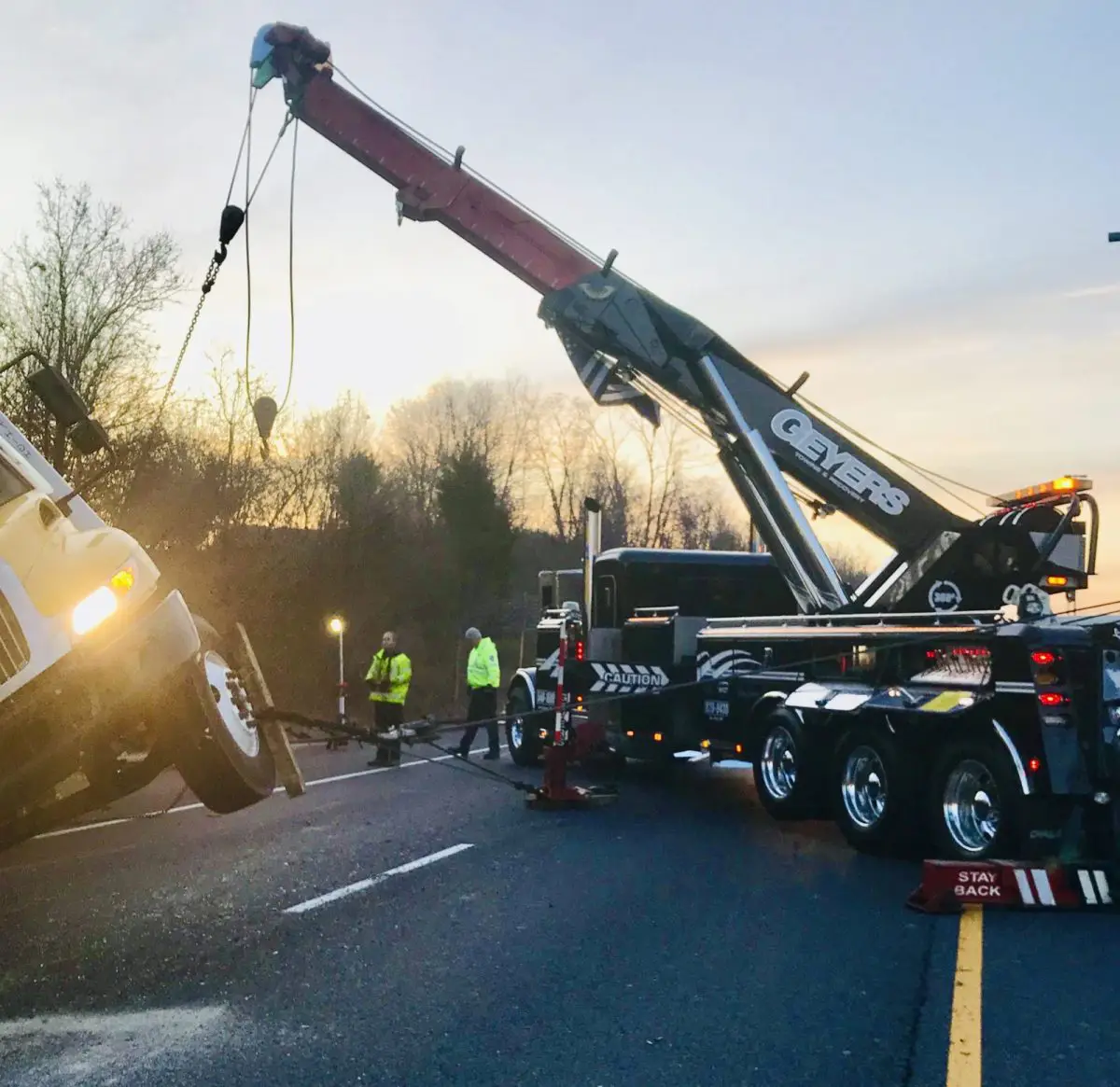
For accident scenes, stuck vehicles, off-road positions, and calls where the vehicle cannot simply be loaded and moved.
Fleet Towing
For companies that need repeat support, consistent documentation, and faster coordination when a vehicle goes down.
Transport Planning
For commercial vehicles or equipment that need to be moved to a shop, terminal, yard, or project site.
Why Heavy-Duty Towing For Commercial Vehicles Is A Coordination Problem
For a commercial operator, the tow is only one part of the problem. The driver may need a safe waiting plan. A manager may need an ETA before rerouting work. A repair shop may need to know what is arriving. A customer may need an updated delivery window.
That is why fleet-oriented calls should be clear about decision-makers, destinations, access, and documentation. If your business needs ongoing coverage, Geyers’ fleet towing solutions page is the better next step.
For broader commercial vehicle safety context, the Federal Motor Carrier Safety Administration publishes resources for carriers, drivers, and fleet operators.
Why Commercial Operators Call Geyers
Commercial calls can start any time, including nights, weekends, and active-route hours.
Training-backed operators for towing and recovery decisions.
Heavy-duty equipment capacity up to 75 tons for larger recovery needs.
Recognized by four Maryland police departments for towing and recovery support.
If the call follows an accident or blocked roadway, accident recovery may also be part of the plan. If the vehicle is smaller than true heavy-duty equipment but larger than a passenger car, medium-duty towing may fit better.
FAQ About Heavy-Duty Towing For Commercial Vehicles
Commercial Vehicle Recovery Along I-70 And I-270
Heavy-duty calls often start with a disabled vehicle on a commercial route: I-70, I-270, truck stops, delivery yards, job sites, or tight business access roads. Tell dispatch whether the vehicle is an over-the-road tractor, box truck, dump truck, flatbed, bus, RV, or heavy equipment so the right heavy-duty towing or recovery setup is sent.
Vehicle Type
Semi trucks, big rigs, box trucks, dump trucks, buses, RVs, and heavy equipment all create different towing and securement questions.
Load And Access
A loaded commercial vehicle, narrow shoulder, loading dock, or construction site can change the recovery plan.
Rotator Need
When lifting, uprighting, or complex recovery is involved, dispatch should evaluate whether rotator-capable heavy-duty support is required.
What counts as heavy-duty towing for commercial vehicles?
Heavy-duty towing for commercial vehicles usually applies to larger commercial units, semi trucks, buses, RVs, equipment, and other vehicles that are too large or complex for standard light-duty towing.
Can Geyers tow semi trucks and big rigs?
Geyers provides heavy-duty towing support for commercial vehicles, including semi truck and big rig calls. Dispatch should confirm the vehicle type, location, trailer status, and whether the vehicle can roll or steer.
What should a fleet manager tell dispatch?
Share the exact location, vehicle type, load status, driver contact, destination, approval contact, and any access restrictions. The more complete the details, the easier it is to send the right equipment.
Does every commercial breakdown require heavy-duty towing?
No. Some calls may be medium-duty towing, roadside assistance, or transport instead. Dispatch can help determine the right path after reviewing the vehicle and scene details.
Is fleet towing different from one-time commercial towing?
Yes. Fleet towing often involves repeat locations, business contacts, documentation needs, and coordination with managers, terminals, repair shops, or drivers.
Call Geyers For Heavy-Duty Towing For Commercial Vehicles
If a commercial vehicle, semi truck, fleet unit, or piece of equipment is disabled, call Geyers dispatch and explain the scene. Heavy-duty towing for commercial vehicles works best when the next step is sending the right truck, not guessing from a generic tow request.