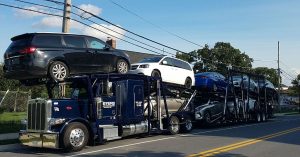


Most people preparing for long-distance moves have wildly inaccurate expectations about vehicle transport costs. Some think it’ll cost $3,000 to move a sedan from Maryland to Texas. Others assume $400 will cover cross-country shipping. Both estimates miss the mark significantly.
Vehicle shipping costs vary based on distance, vehicle size, transport method, and seasonal demand. A 500-mile trip typically runs $500-600 for a standard sedan. Cross-country transport from Maryland to California costs $1,120-1,400. The per-mile rate decreases as total distance increases because fixed costs spread across more miles.
Understanding the actual numbers – and what drives them – helps you budget correctly and avoid last-minute surprises during an already complicated move. After coordinating vehicle transport across the East Coast for over 30 years, we’ve seen how cost confusion creates unnecessary stress when people discover their estimates were off by hundreds or even thousands of dollars.
What Actually Determines the cost to ship a car
Distance matters most. A 500-mile trip costs roughly $1.00 per mile. A 2,000-mile journey drops to $0.50 per mile. Cross-country transport averages $0.40 per mile. The per-mile rate decreases as total distance increases because fixed costs get spread across more miles.
Vehicle size directly impacts price. Sedans cost less than SUVs. Pickup trucks cost more than compact cars. Larger vehicles take up more space on transport carriers, limiting how many other vehicles can fit. That reduced capacity means higher costs passed to you.
Route popularity affects pricing. High-traffic corridors between major cities – New York to Florida, California to Texas – see more frequent service and competitive pricing. Remote pickup or delivery locations add $100-300 to base costs because carriers must deviate from their main routes.
Seasonal demand creates price fluctuations:
- Winter months – Higher costs for southern routes as people flee cold weather, particularly November through February
- Summer peak – Increased rates during college move-in/move-out periods and family relocation season from May through August
- Spring and fall – Moderate pricing with better availability as demand levels stabilize between peak seasons
Vehicle condition impacts cost and options. Operable vehicles cost standard rates. Non-running vehicles require specialized equipment and additional labor, adding $150-300 to the quote. Carriers need winches and extra securing equipment for disabled vehicles.
Breaking Down Costs by Distance
Let me show you what actual transport costs look like based on distance ranges we regularly handle.
Shipping 500 Miles
Short-haul transport runs approximately $1.00 per mile. Moving a sedan from Maryland to North Carolina (approximately 500 miles) costs $500-600 for standard open transport.
This distance often works better with terminal-to-terminal service since the shorter route makes personal drop-off and pickup more manageable. You save $50-100 by handling both ends yourself rather than paying for door-to-door convenience.
Shipping 1,000 Miles
Medium-distance transport drops to $0.75 per mile. A 1,000-mile trip from Maryland to Florida costs $750-850 for a standard sedan, $850-1,000 for an SUV or pickup truck.
At this distance, door-to-door service becomes more valuable. The $100-150 premium for pickup and delivery saves you from making two separate trips to distant terminals – trips that would cost you more in time, fuel, and hotel stays.
Shipping 2,000 Miles
Long-distance rates fall to approximately $0.50 per mile. Transporting a vehicle 2,000 miles costs $1,000-1,200 for sedans, $1,200-1,400 for larger vehicles.
Multiple carriers service these popular routes, creating competitive pricing. You’ll find more scheduling flexibility and faster booking confirmations compared to unusual routes with limited carrier interest.
Cross-Country Shipping
Coast-to-coast transport averages $0.40 per mile. Moving a vehicle from Maryland to California (approximately 2,800 miles) runs $1,120-1,400 for standard vehicles.
Cross-country shipments typically take 7-14 days depending on carrier schedules and route optimization. Carriers combine multiple pickups and deliveries along the route, which keeps costs down but extends transit time.
Terminal-to-Terminal vs Door-to-Door Service
Terminal-to-terminal service costs less because you handle both ends of the transport. You drive your vehicle to a designated terminal – usually a large parking lot or transport hub – where the carrier picks it up. At the destination, you retrieve it from another terminal and drive it to your final location.
This option saves $100-200 on total transport costs. It works well for shorter distances where the terminal drive isn’t excessive. For a 500-mile move, driving 30 minutes to a terminal makes financial sense.
The drawbacks matter for some situations. Your vehicle sits in an outdoor lot until the carrier loads it. Weather exposure during that period is unavoidable. The carrier won’t schedule pickup until they have a full load heading in your direction, which can add 3-7 days to your timeline.
Terminal locations may not be convenient. If the closest terminal is 90 minutes from your home, you’re spending significant time and fuel on two separate trips – one for drop-off, one for pickup. That convenience cost can exceed the savings.
Door-to-door service adds $100-200 to your total cost but eliminates terminal logistics. The carrier picks up your vehicle from your specified address and delivers it to your destination address.
This service level provides specific advantages:
- Time savings – No separate trips to distant terminals, allowing you to focus on other moving tasks
- Reduced vehicle exposure – Your car goes directly onto the carrier without sitting in a lot for days
- Scheduling clarity – Specific pickup windows rather than waiting for terminal load coordination
- Less personal driving – Particularly valuable for elderly customers or those without easy terminal access
Not every location works for door-to-door service. Narrow residential streets, low-clearance driveways, or restricted access communities may prevent large carriers from reaching your exact address. In these cases, you’ll need to arrange a nearby meeting point – a shopping center parking lot or main road location.
Open vs Enclosed Transport
Open transport is the standard option most people choose. Your vehicle rides on an open multi-car carrier exposed to weather and road conditions during transit. The risk of damage from debris is low but present.
This option costs less because carriers maximize vehicle capacity. A standard open carrier holds 7-10 vehicles per load, spreading costs across multiple customers. More frequent service on popular routes means faster booking and more flexible scheduling.
Open transport works fine for typical vehicles making standard moves. Your daily-driver sedan heading to a new job location doesn’t require special protection. Millions of vehicles ship via open transport annually without incident.
Enclosed transport protects your vehicle inside a covered trailer. This service costs 40-60% more than open transport due to significantly reduced carrier capacity – enclosed trailers typically hold only 2-6 vehicles per load.
Consider enclosed transport for:
- High-value vehicles – Luxury cars, exotic sports cars, or vehicles worth $75,000+ where paint protection matters
- Classic or antique vehicles – Vintage cars requiring protection from weather and road debris during transit
- Show vehicles – Cars being transported to exhibitions or sales where condition must remain pristine
- Extreme weather protection – Moving during winter months when road salt and severe weather create additional risks
Enclosed transport booking takes longer because fewer carriers offer this service. You may wait an additional 3-5 days for carrier availability compared to open transport options. During peak season, that wait can extend to 1-2 weeks.
Additional Cost Factors Most People Miss
Non-running vehicles cost $150-300 more than operable ones. Carriers need specialized loading equipment – winches, ramps, additional securing straps – to handle disabled vehicles. The extra time required for loading and unloading increases labor costs.
If your vehicle has mechanical issues, inform the transport company immediately. Attempting to ship a non-running vehicle as an operable one creates problems at pickup when the driver discovers it won’t start. This can delay your entire shipment and result in additional charges.
Oversized vehicles face surcharges. Lifted trucks, vehicles with roof racks, or cars with modifications that exceed standard carrier clearances cost more to ship. These vehicles take up extra vertical space on carriers, reducing the total number of vehicles that can fit per load.
Expedited shipping adds 25-40% to base costs. Standard transport provides pickup within 1-5 days and delivery within the quoted timeframe. Expedited service guarantees specific pickup dates and prioritizes your vehicle for faster delivery – useful when your move timeline is inflexible.
Insurance coverage comes standard with licensed carriers, but understand the limits. Most carriers provide $100,000-300,000 in cargo insurance. This covers most vehicles adequately. For high-value vehicles worth more than the standard coverage, you can purchase supplemental insurance for an additional fee.
Remote location fees apply when pickup or delivery addresses fall outside major metropolitan areas. Rural locations add $100-300 because carriers must deviate from their standard routes. Island deliveries or locations requiring ferry access incur even higher surcharges due to the additional complications involved.
Getting Accurate Quotes
Contact transport companies 2-4 weeks before your needed pickup date. Last-minute bookings cost more because you’ve limited carrier options and reduced negotiating leverage. Early contact gives carriers time to plan efficient routes that include your vehicle.
Provide complete information when requesting quotes:
- Exact pickup and delivery locations – Specific addresses help carriers assess route feasibility and access challenges
- Vehicle year, make, and model – Size and weight affect carrier capacity and pricing calculations
- Vehicle condition – Running or non-running status determines equipment requirements and handling procedures
- Preferred timeframe – Flexibility on dates often reduces costs as carriers can optimize their routing
- Service preferences – Terminal vs door-to-door and open vs enclosed transport selections
Request quotes from 3-5 transport companies. Pricing varies based on current carrier availability and route demand. One company may have a truck already heading your direction, offering better rates than competitors who need to arrange special routing.
Watch for suspiciously low quotes. If one company quotes $400 less than everyone else for identical service, question why. Some companies lowball initial quotes then add numerous fees at pickup. Others operate with minimal insurance or use inexperienced drivers.
Verify carrier credentials before booking. Legitimate transport companies provide their DOT number and carrier insurance information readily. Check their safety record and customer complaints through the Federal Motor Carrier Safety Administration database.
Preparing Your Vehicle for Transport
Remove all personal items from your vehicle before pickup. Transport insurance covers vehicle damage, not personal belongings. Items left inside can shift during transport, potentially damaging your interior or breaking during transit.
Document your vehicle’s condition thoroughly. Take photos from multiple angles showing existing scratches, dents, or cosmetic issues. These photos provide evidence if damage occurs during transport. Include close-ups of any pre-existing damage and timestamp the images.
Clean your vehicle before inspection. Dirt obscures existing damage, making post-transport assessment difficult. A clean vehicle allows both you and the driver to clearly identify the condition at pickup.
Disable toll transponders and parking passes. These devices can trigger charges as the carrier passes through toll areas during transport. Remove or deactivate them to avoid unexpected fees.
Leave only a quarter tank of fuel. Full tanks add unnecessary weight, increasing transport costs. A quarter tank provides enough fuel for loading and unloading operations without excessive weight penalties.
Inspect your vehicle with the driver at pickup and delivery. Both parties should note any damage on the bill of lading. This document becomes your record if you need to file an insurance claim. Don’t sign off on delivery until you’ve inspected the vehicle completely.
Common Transport Cost Mistakes to Avoid
Booking based solely on price creates problems. The cheapest quote often comes from companies cutting corners on insurance, using inexperienced drivers, or adding hidden fees later. A $200 savings becomes a $2,000 loss if your vehicle arrives damaged with inadequate insurance coverage.
Failing to ask about all fees upfront leads to surprise costs at pickup. Some companies quote base rates then add fuel surcharges, insurance fees, or handling costs when the driver arrives. Get a complete breakdown showing all charges before committing.
Waiting until the last minute limits your options and increases costs. Transport companies need time to coordinate efficient routes. Last-minute bookings force them to arrange special trips or expedite service at premium rates.
Assuming all transport companies are the same invites disappointment. Carrier experience, insurance coverage, equipment quality, and customer service vary significantly. Research companies thoroughly rather than selecting randomly from internet search results.
Neglecting to verify carrier credentials puts your vehicle at risk. Unlicensed or underinsured carriers offer lower rates but provide no recourse if problems occur. Always confirm DOT registration and insurance coverage before booking.
Is Shipping Cheaper Than Driving?
Calculate your actual driving costs before deciding. A 2,000-mile trip in a vehicle averaging 25 MPG at $3.50 per gallon costs $280 in fuel alone. Add hotel stays ($100-150 per night for 2-3 nights), meals ($50-75 per day), potential vehicle wear, and your time investment.
Driving 2,000 miles typically costs $700-1,000 when factoring all expenses. Professional transport for that distance runs $1,000-1,200. The cost difference narrows significantly when you account for the complete picture.
Shipping provides additional advantages beyond simple cost comparison. Your vehicle arrives without added mileage or wear from long-distance highway driving. You can fly to your destination and start your new job immediately rather than spending 3-4 days on the road. The convenience factor matters for time-sensitive moves.
Driving makes sense for shorter distances where transport costs approach your driving expenses. For moves under 500 miles, driving often costs less and provides more flexibility. You can bring more items with you and adjust your timeline as needed.
Vehicle Transport Services From Geyers Towing
We’ve coordinated vehicle transport from Maryland to destinations throughout the East Coast for over 30 years. Our experience helps customers avoid common shipping mistakes and select appropriate service levels for their specific situations.
Our transport coordination includes:
- Accurate cost estimates – Complete pricing breakdowns with no hidden fees or surprise charges at pickup
- Vetted carrier network – We work exclusively with licensed, insured carriers meeting our service and safety standards
- Flexible scheduling – Pickup and delivery coordination that works with your moving timeline and requirements
- Professional guidance – Recommendations on transport options based on your vehicle type and destination needs
We handle both open and enclosed transport arrangements. Whether you’re shipping a daily-driver sedan or a classic vehicle requiring special protection, we coordinate appropriate carriers and equipment for your situation.
Our vehicle transport services cover destinations throughout the East Coast. From local moves within Maryland to long-distance shipments to Florida, we provide the same attention to detail and customer service we’ve delivered since 1993.
For a detailed transport quote based on your specific vehicle and destination, contact Geyers Towing. Our team provides same-day quotes and answers questions about transport options, timing, and costs.
We’re available 24/7 to coordinate your vehicle shipping needs and help you plan your move effectively.